Role
Lead Product Designer
Scope
Web app
System architecture
User research & validation
The Problem
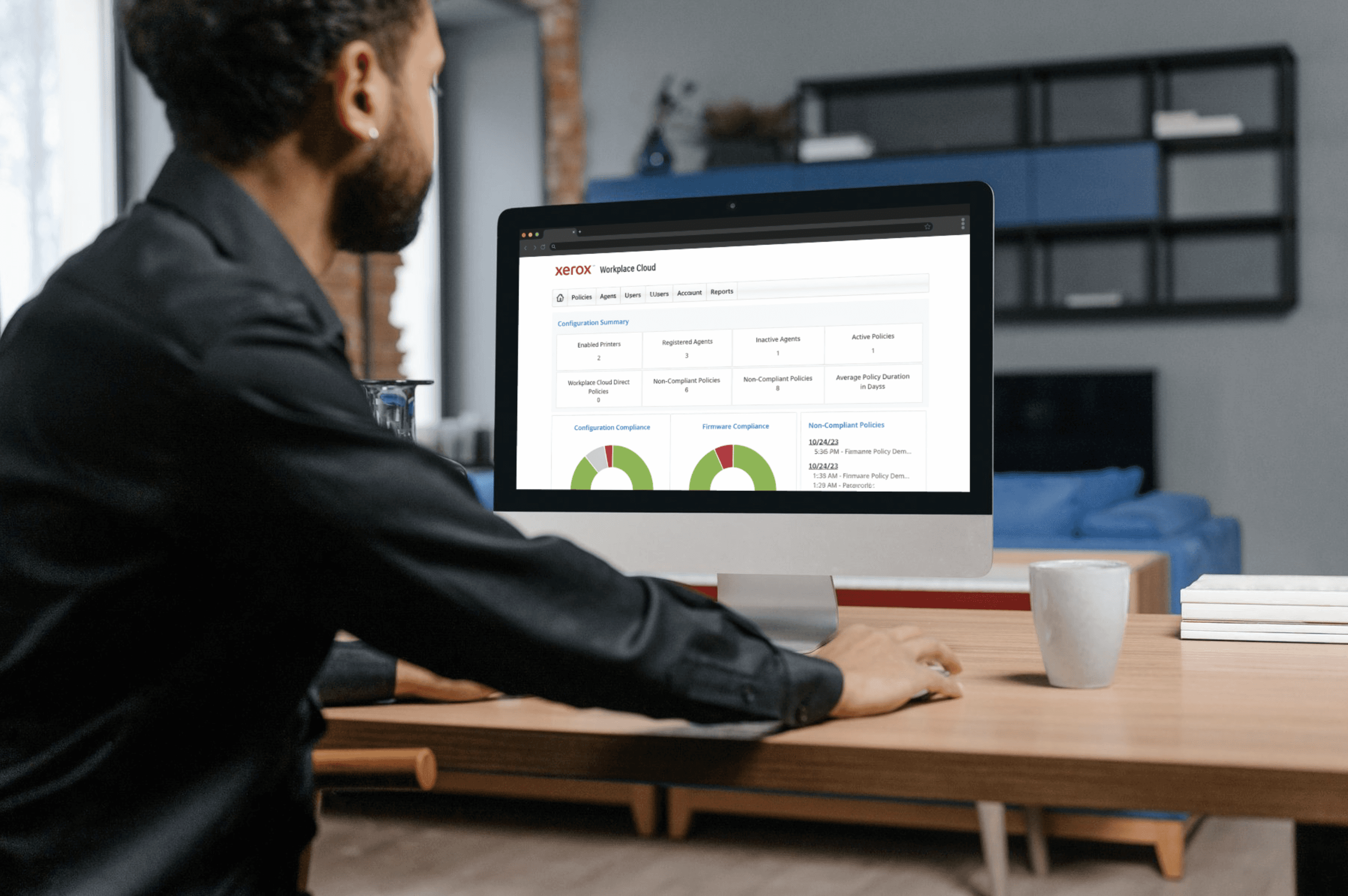
Xerox Workplace Cloud is a web application used by organizations to manage printers across their network. Over time, the application had accumulated features and outdated UI patterns that made it harder to navigate and understand.
Responsibilities
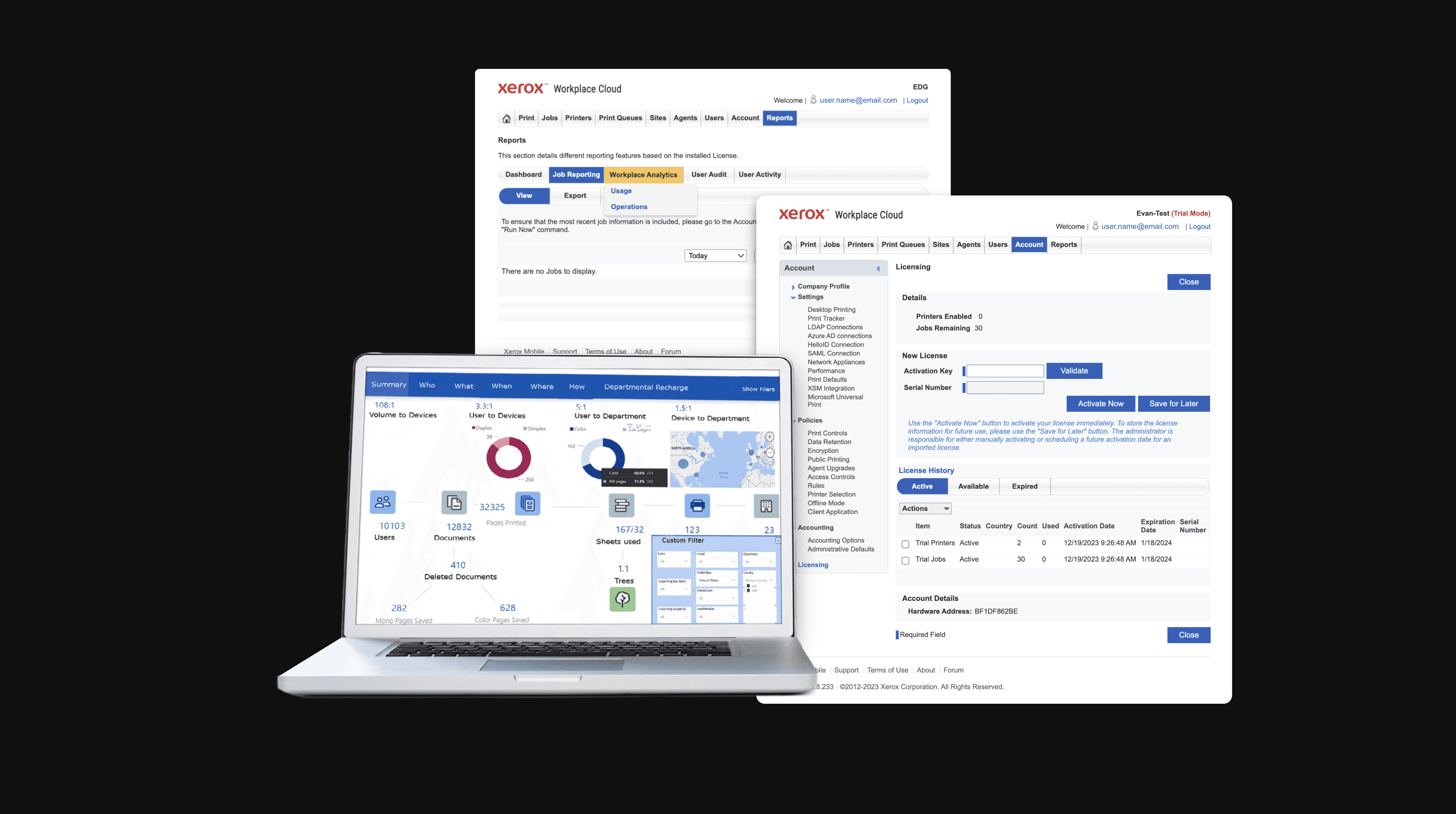
Leading a 2-designer team, I directed the full overhaul of the legacy application, working closely with product owners, engineers, developers, and additional designers to rethink how the system should function.
The goal was to improve ease of use, modernize the interface, and reorganize the experience so administrators could better understand and manage their entire print environment.
Next Steps
Because the product had grown without a clear structure, my colleague and I started by digging into how it was actually being used and where things were underperforming.
Research
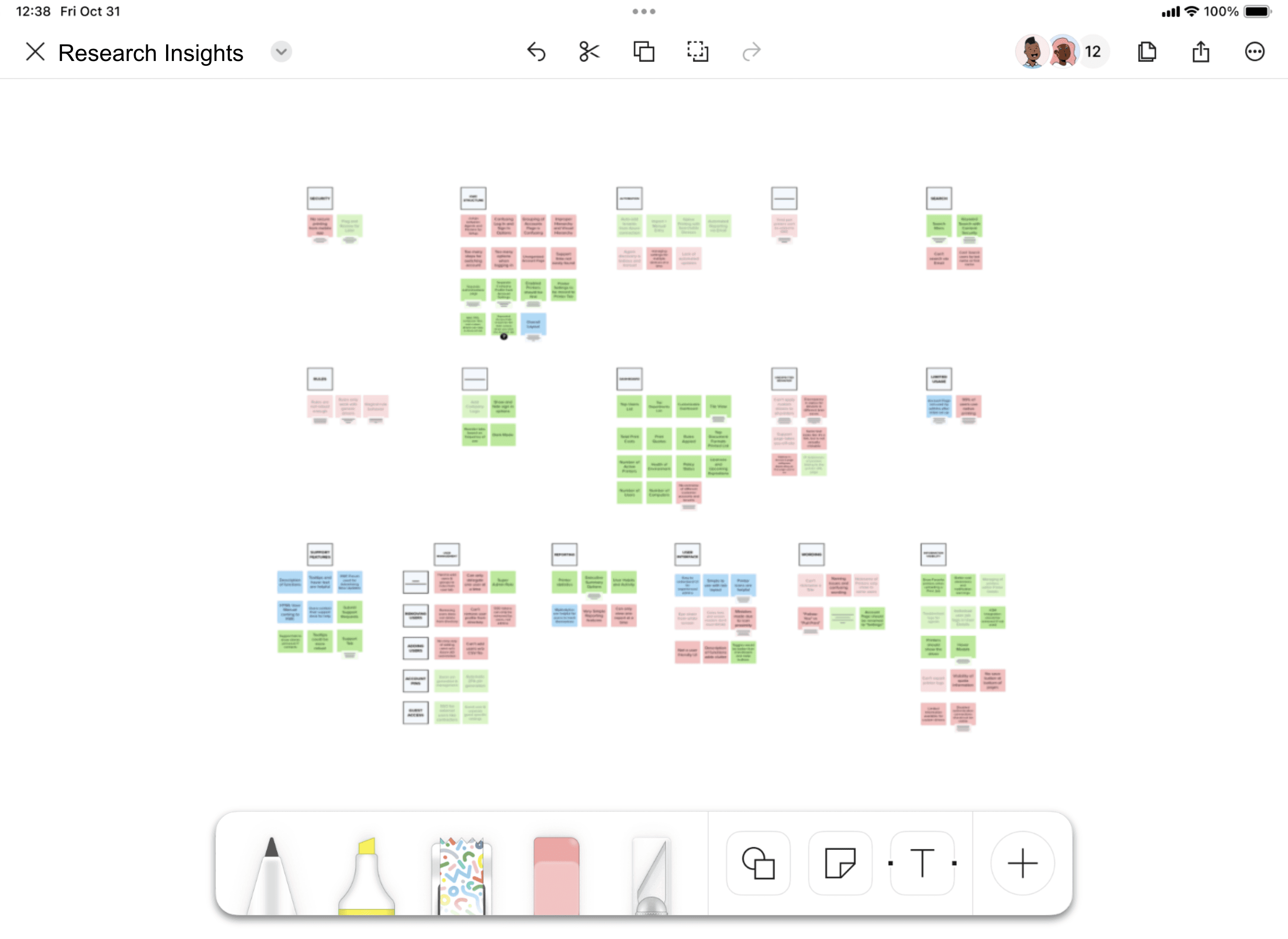
To understand where the experience was falling short, we reviewed the legacy application in depth, benchmarked competitor products, and conducted user interviews. We broke down our findings and analyzed what was and wasn't working.
Key discoveries:
Users reported heavy system congestion and having to memorize what wasn't intuitive to find
Some legacy features were still actively used and as a constraint could not be removed
The interface lacked strong visual hierarchy, making information hard to scan and interpret
We found future opportunities to expand the platform with more capabilities
The issue was both visual and structural. Information was not organized to match how admins actually worked. From here, I moved into reshaping how the product was organized and experienced.
Strategy
Using our research, I led brainstorming and whiteboarding sessions with designers and stakeholders to evaluate what needed to change and what needed to stay.
The Plan:
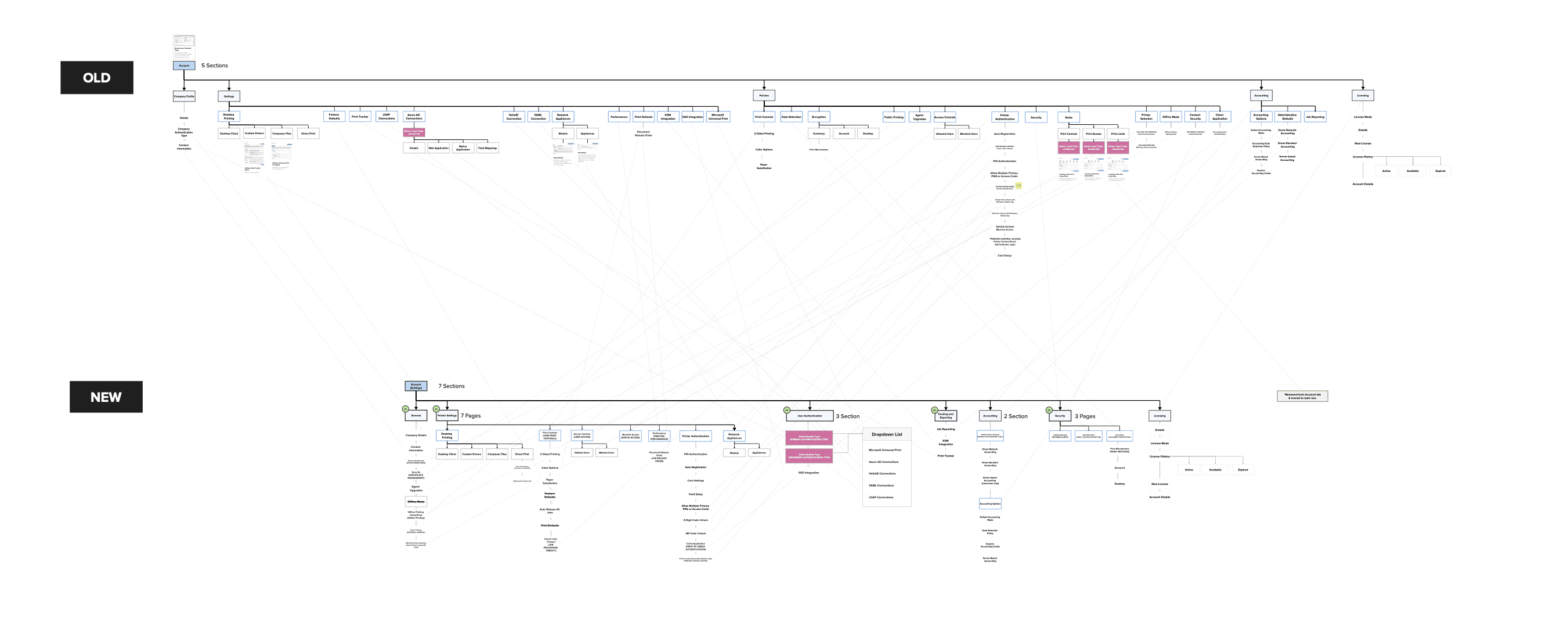
Reorganize the architecture around real admin workflows so tasks feel more natural
Improve hierarchy and simplify visuals so system data is easier to read
Modernize the UI with a new design system and new components where needed
As we worked through these directions, differing opinions across teams became part of the process. I pushed for a more collaborative approach to decision making, which helped combine perspectives into stronger solutions and new ideas.
Design
[A] System Reorganization
The system was structured around how it evolved, not how people worked. I realigned it to match real administrative tasks by restructuring navigation, renaming sections, and simplifying flows.
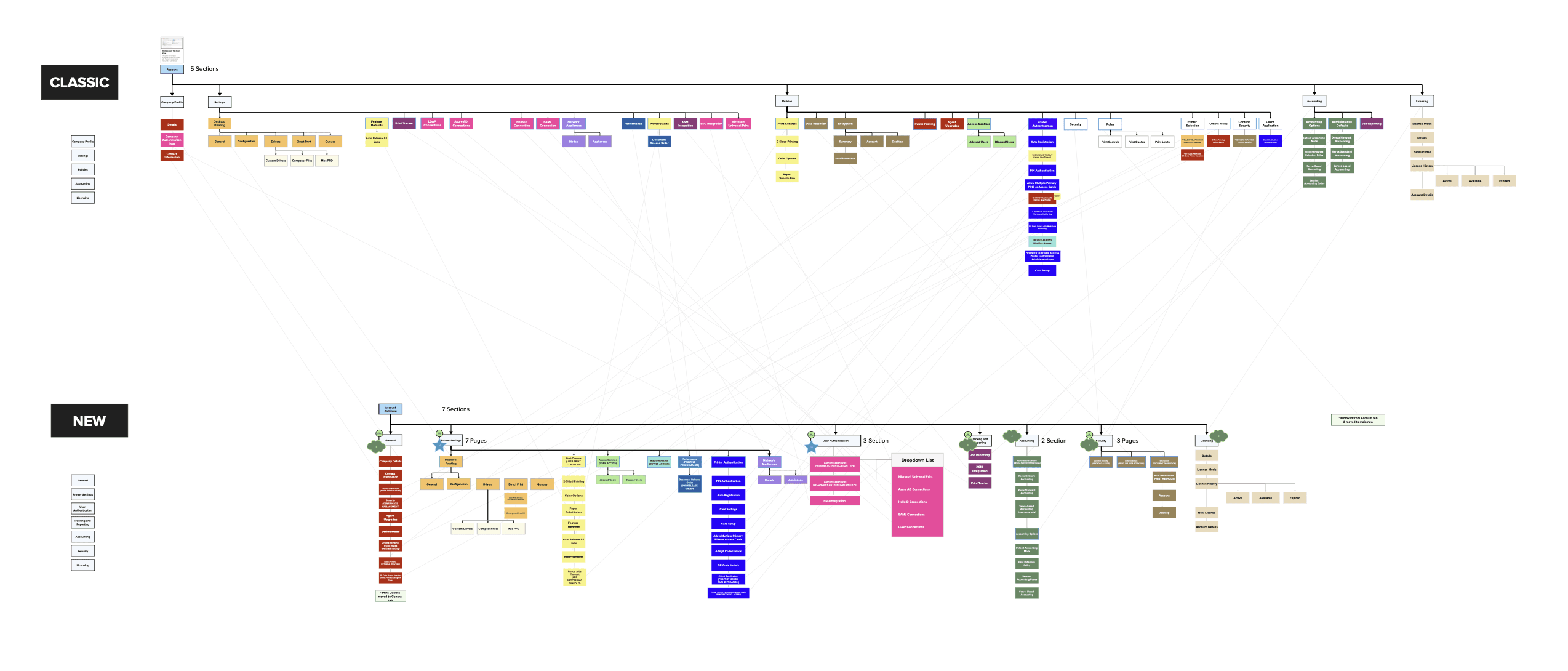
What changed:
Re-mapped existing flows to reduce backtracking and confusion
Pages and sections renamed for clarity and predictability
Rebuilt nav structure to feel more direct
This made it easier for users to find information quickly and move through tasks without second guessing. Collaboration with stakeholders was also key here, as changes to the structure impacted multiple parts of the system.
[B] Data hierarchy & presentation
The interface was redesigned to better support how users read and process information. I worked with design and engineering to improve information hierarchy and simplify overall layout and presentation.
I defined a clear hierarchy for system information, prioritizing what mattered most at a glance and structuring content based on priority and frequency of use. The goal was to surface key signals first and support deeper exploration with progressive disclosure.
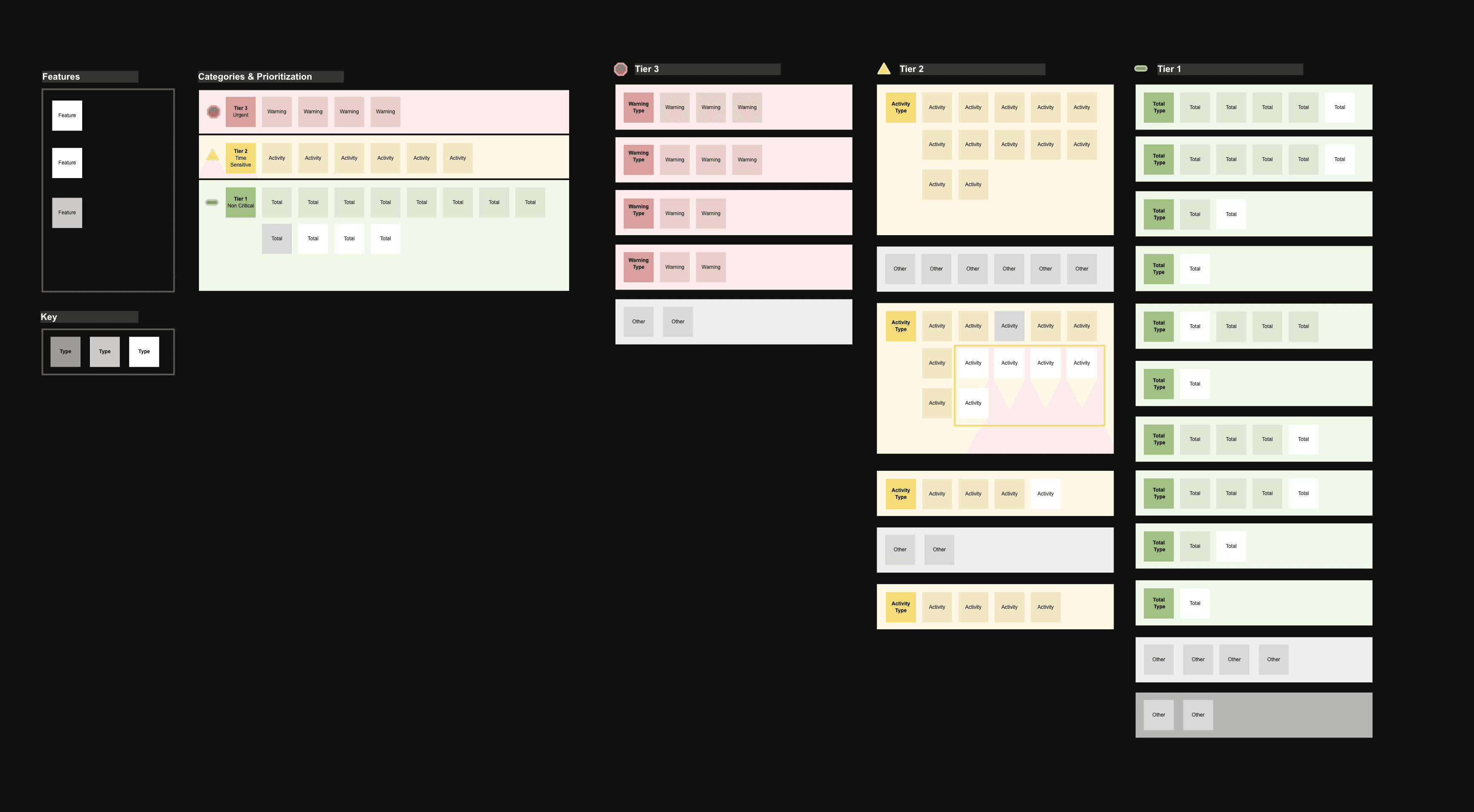
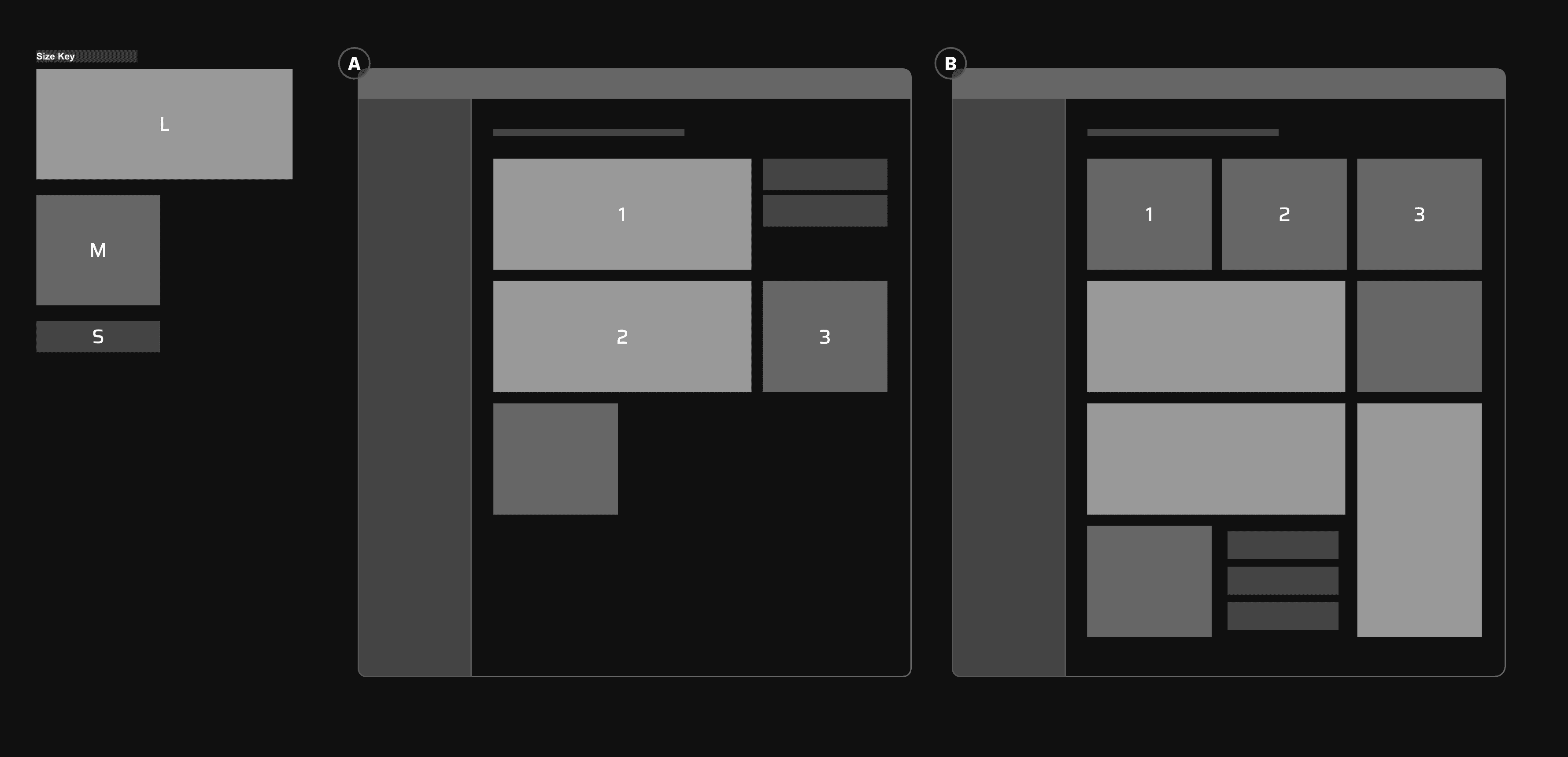
Next, I tested different ways to group and surface content, experimenting with layout structures, card sizing, and content density. I made sure information could be scanned quickly without overwhelming the user.
Solution
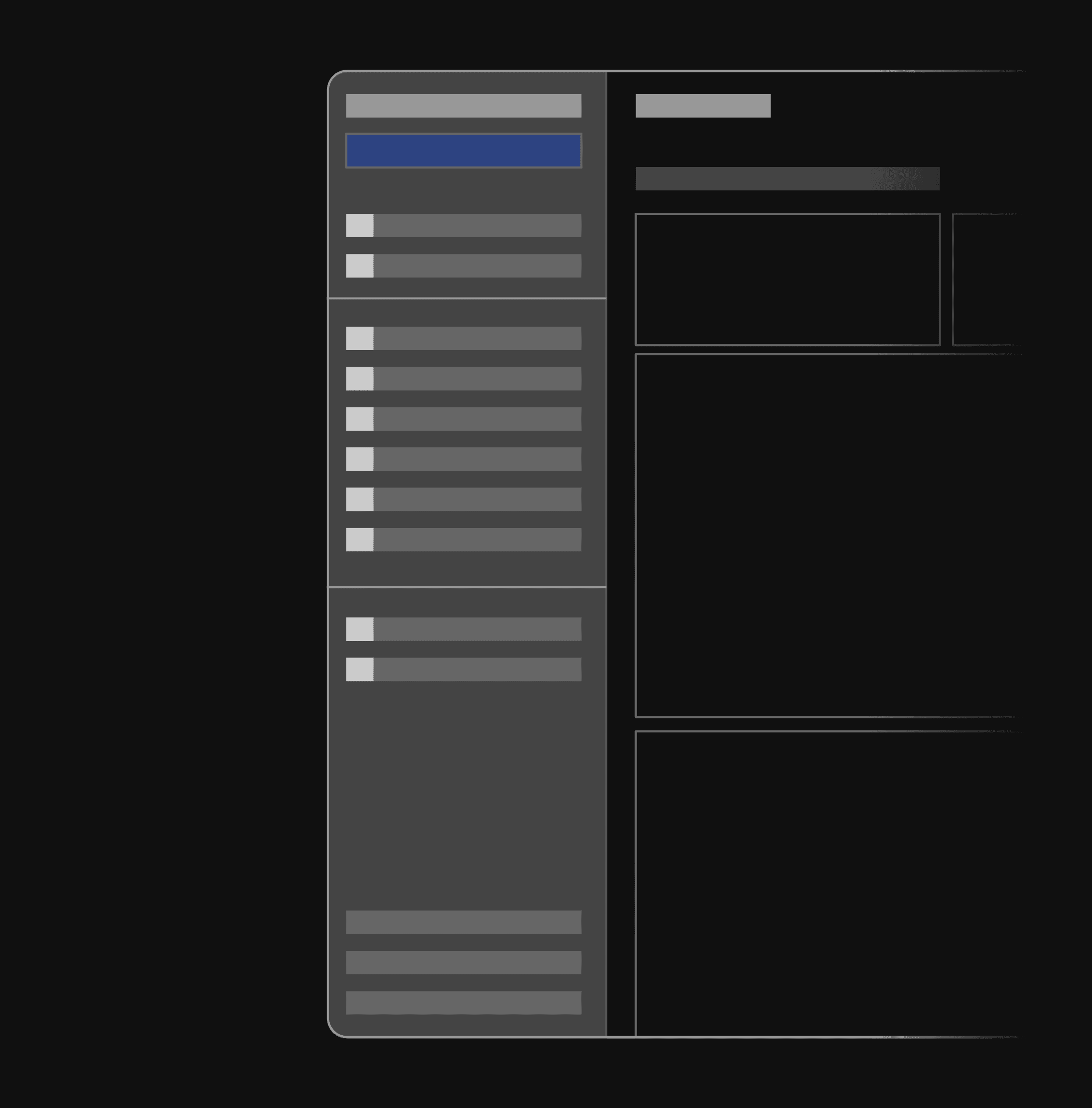
The final product combined restructured navigation with a more modern interface, improving how the product is structured, used, and expanded over time.
Outcome
These changes made it easier for administrators to manage complex printer environments while bringing the product closer to modern expectations. By leading the redesign and working through both technical and team-based challenges, I helped move the platform toward a more usable and scalable direction.