Building with Bits
Designing for the hands behind the hardware.
Context + Problem
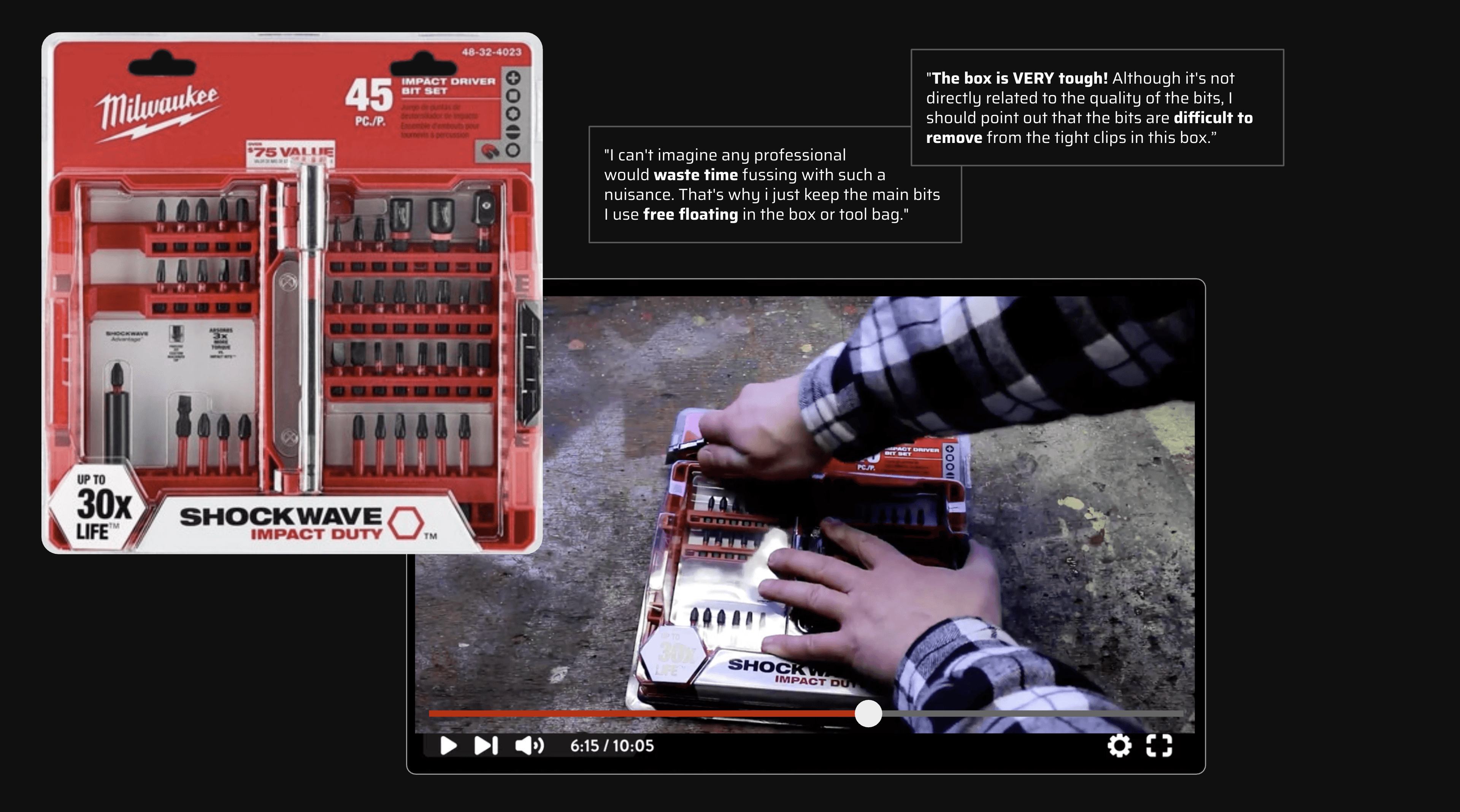
This driver bit set packages a hard case with internal bit holders. The product itself performed very well, but key parts of the experience weren’t holding up to consumer expectations.
Responsibilities
I led the industrial design team while working collaboratively with graphic and packaging designers, aligning on research, goals, and concepts to create a more cohesive product, packaging, and brand system.
Next Steps
We had a pretty good sense of where the issues were coming from, but we wanted to validate that with real user input before jumping into solutions.
Research
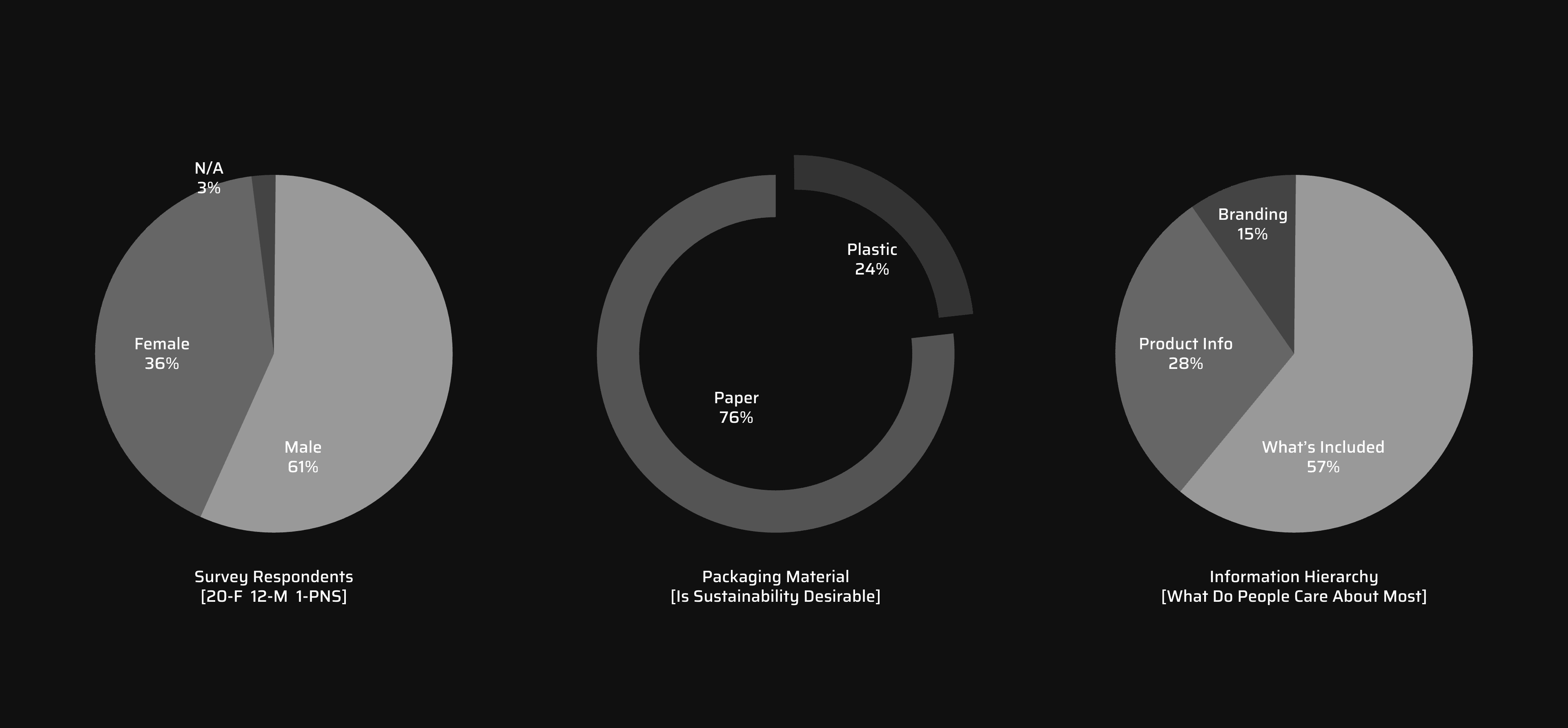
We conducted surveys, interviews, and product audits to confirm what we were seeing. The feedback was consistent and problems were easy to spot.
Insights
What we learned:
Users struggled to remove smaller bits, especially with larger hands
Some users avoided the case entirely and kept bits loose
Plastic packaging was seen as wasteful and difficult to open
Competitor products showed easier access through simpler mechanisms
The form factors of the overall product made storage and display less efficient
Strategy
Because users cared most about speed, access, and simplicity, the design direction focused on making those things easier without overcomplicating the product.
Constraints
To make meaningful improvements, we focused on improving usability, reducing waste, and making the product easier to understand at a glance, while working within existing manufacturing methods.
Design Directions:
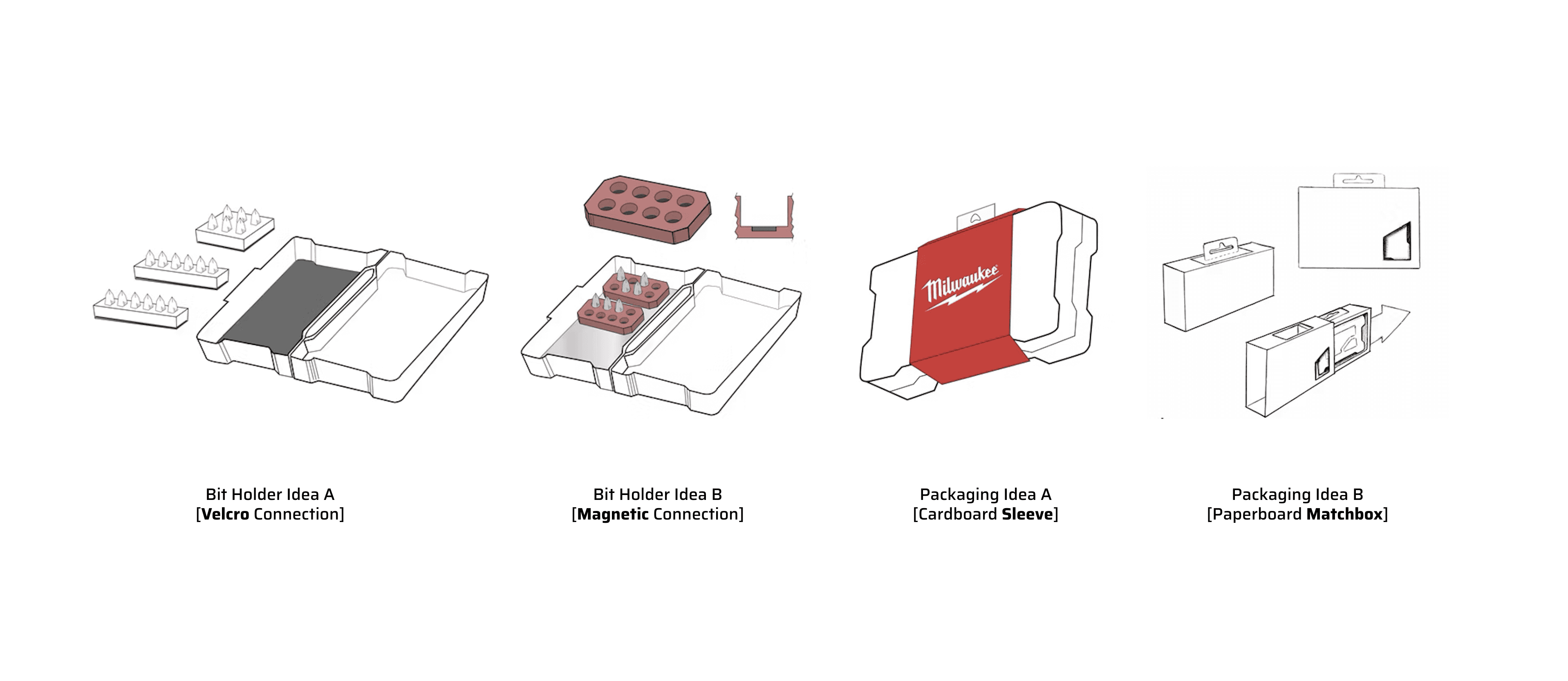
Magnetic bit holders for effortless access when removing bits
Better spacing and bit layout to support larger hands and visibility
Matchbox-style paperboard packaging to reduce size and material waste
Clear packaging graphics to better show what’s included
Compact structure to improve shelving and shipping efficiency
Highlight [A]
To fix the issue with tight clips, I designed magnetic holders that keep bits secure while making them easier to grab.
Internal
What changed:
Bits can optionally be stored upright for quick access
Magnets replace friction, reducing wear and tear, and effort to remove and replace
Spacing between bits allows for easier use with larger hands
Holders remain customizable within the case
This made the case faster to use and reduced the frustration that caused users to ignore it before.
Highlight [B]
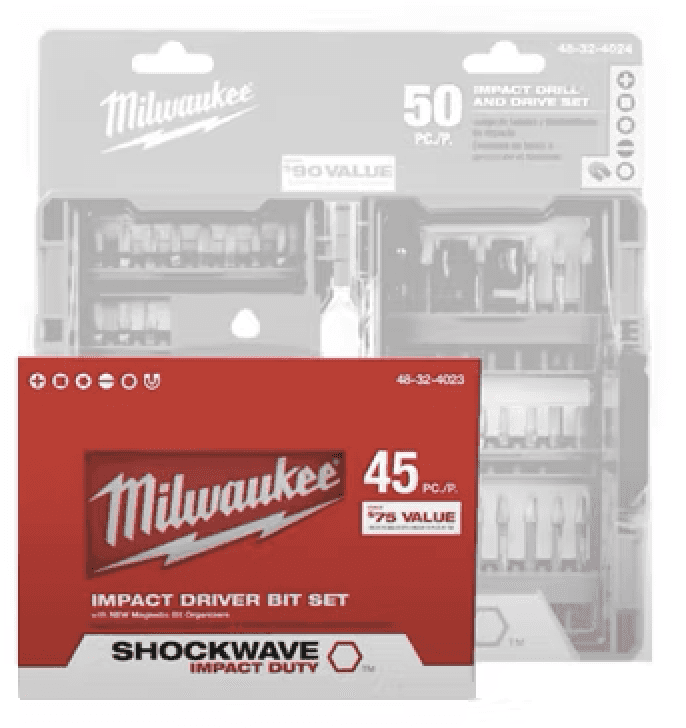
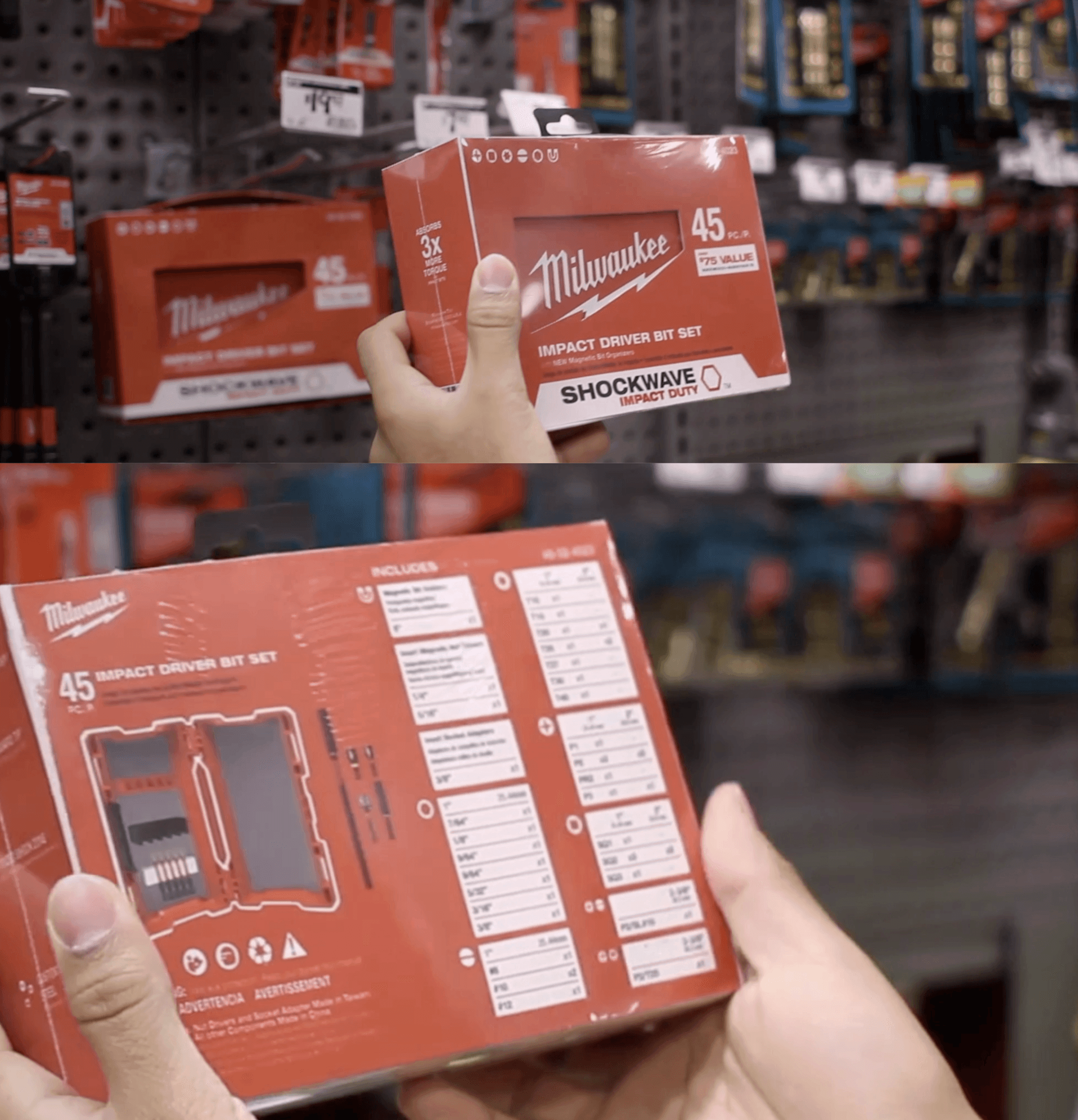
To address packaging waste and size, we replaced the plastic clamshell with a paperboard matchbox style design.
External
What changed:
Packaging became smaller and easier to open
Paperboard reduced environmental impact
Better graphic hierarchy made it easier to see what’s included
Structure still supported peg display and retail needs
This improved both the buying experience and how the product moved through shipping and storage.
Solution
The final design combined a hard-shell case, magnetic bit holders, and compact paperboard packaging into a more usable and efficient system.
Outcomes
What improved:
60% smaller packaging footprint
80% more kits per shipping box
33% fewer trucks needed for transport
Easier bit removal and replacement
Reduced packaging waste with paperboard design
Better visibility of product contents at purchase
These changes improved how the product works, how it’s sold, and how it moves through distribution. The original issues around access, packaging waste, and usability were addressed through focused design decisions. I led the industrial design work that improved how the product feels and functions, while impacting how the brand shows up through form and packaging.